
By: Helen Berry
On a crisp spring morning, as sunlight dries the last of the early morning dew from the green, subtle sounds emerge. The sharp, metallic clink of a driver connecting with a golf ball. The steady, electric whine of a golf cart as it moves to its next destination. The contagious laughter of a teenager whose ball just landed in the bunker.

No longer reserved for professionals blowing off steam after a long work week or networking over an 18-hole game, golf is evolving from sport to social experience—and it’s claiming a diverse player group along the way.
“We’ve seen a fair amount of change in the last 10 to 15 years,” said Aaron Marks, Director of Golf for Boonsboro Country Club. “It used to be that you came to a golf course and you played golf—that was the only place you played. Now it’s expanded beyond that.”

With the growth of specialized indoor golf simulators—from national brands like Topgolf to local venues like Back Nine Golf in Forest—golf enthusiasts and novices alike are offered accessible and low-stakes entry points into the game of golf. And traditional golf courses and country clubs are taking note. At Boonsboro Country Club, players can still enjoy an 18-hole game, but if a quick round with friends or family is all they have time for, the country club has adapted to meet those needs.
“It used to be that you came and played golf and were there for 3 to 5 hours. Now it’s, ‘I’m going to go out and practice a bit or hang out with buddies.’ It can be an hour or hour and a half experience,” said Marks.
According to Marks, golf is becoming more of an experience, not just a game, and modern lifestyles are shaping how golf is enjoyed. Now more than ever, golf is becoming more accessible to a broader group of players and it’s shaping the sport for the better.
“We’ve had 100 to 150 new members join in the last three to four years, and most of them have been young with families,” Marks said. “And ladies play has tripled since I have worked at Boonsboro Country Club.”

Boonsboro Country Club has removed the barriers and rigidity to allow for friends, families, working parents, and beginners to play at their own pace and based on their own skill level. If a player simply wants to try their hand at three to six holes instead of the standard 18, their play is welcomed and encouraged. If a teenager is interested in learning more about the sport, clinics and practice sessions can be made available to them. If a group of friends want to connect after work one Thursday evening in the summer, they may register for the Twilight League.
At Boonsboro Country Club, it’s less about the tradition and more about ensuring the next generation of golfers continue to love the game.
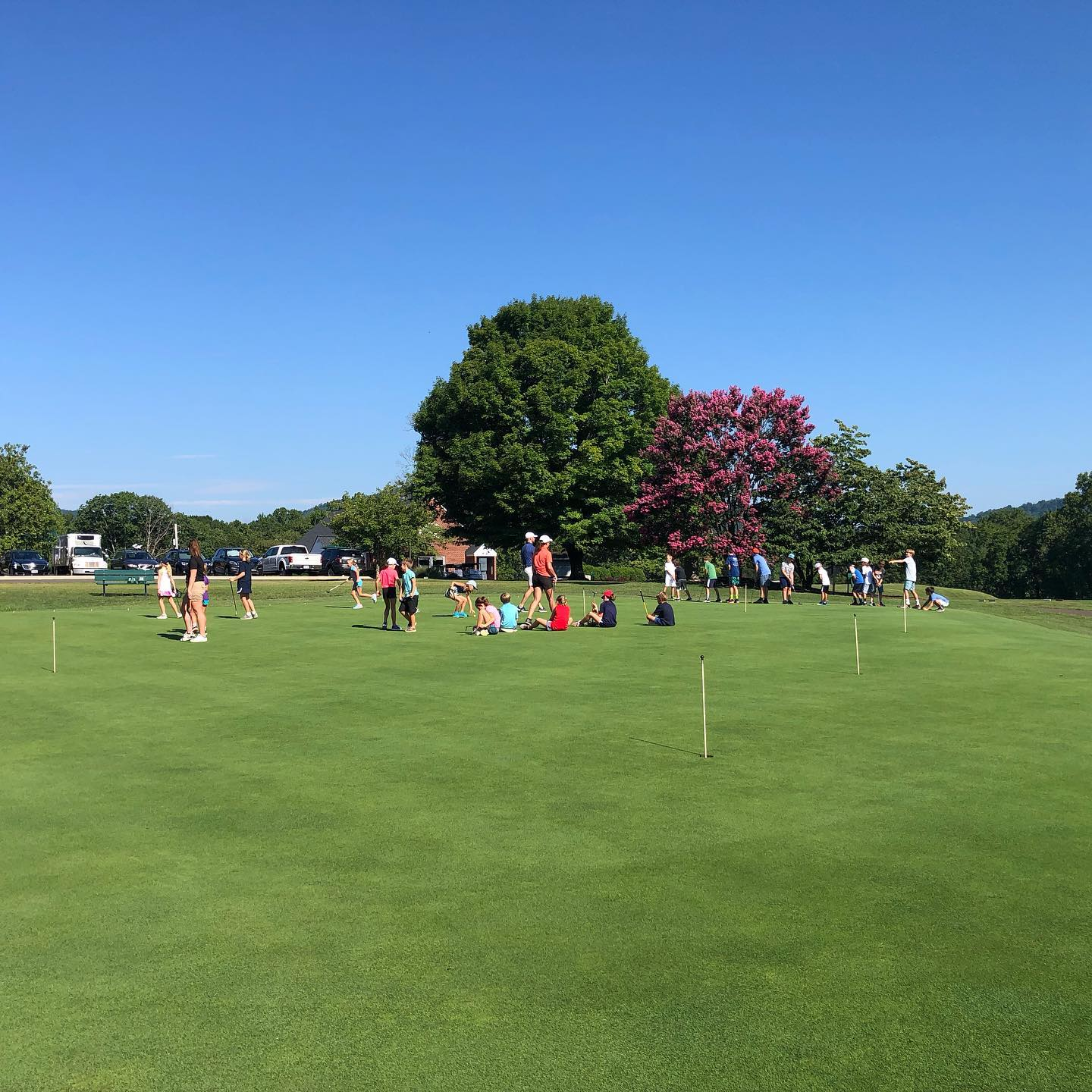
The shift isn’t just visible in membership numbers or programming—it’s felt in the rhythm of the course itself. In the shorter rounds, the laughter between shots, and the players who come not just to compete, but to connect.
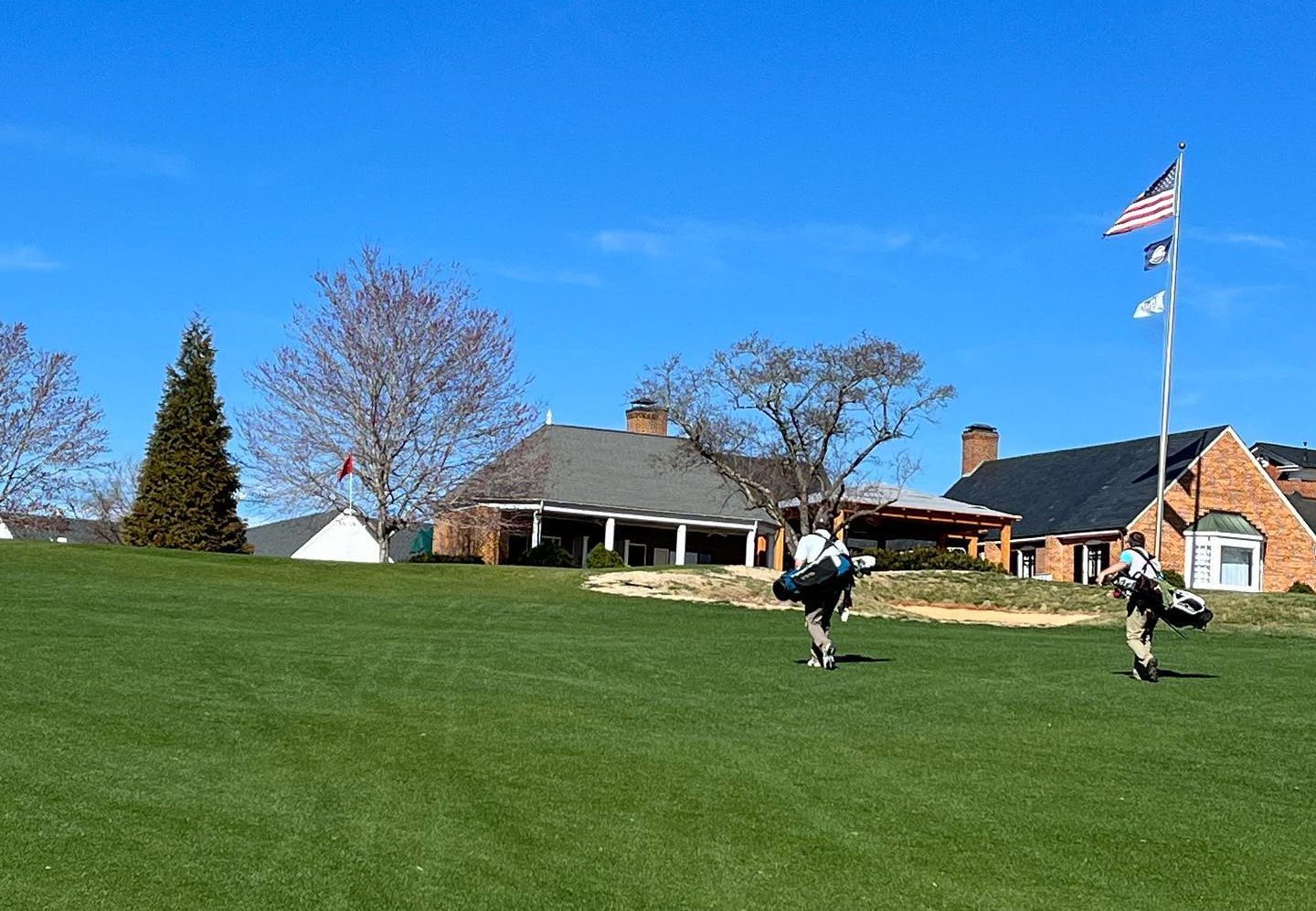
On any given day, the game still sounds the same—the clean strike of a ball, the hum of a cart—but what brings people there is changing. More than ever, it’s not just about how well you play, but who you play with.